With the holidays upon us, for many, it is that time of year for destination travel. So even though the temperatures are dropping outside my window, and I’ve been stacking the books up, readying myself for hours of reading under cozy blankets, I’ll be focusing my thoughts on someplace warm, maybe even tropical!
A lot of birds migrate in the winter months from the United States and Canada to the Caribbean, Mexico, and Central America, but not all birds travel far. Some are year-round inhabitants to the sun kissed tropics.
One of my favorite birds who doesn’t have to concern themselves with harsh winters is the Scarlet Macaw. This beautiful bird can be found in humid rainforests. Their lifespans are long for birds, with some able to live into their 80s or older. They are incredibly loud birds, with many mistaking their aggressive calls for other, often more dangerous, animals in the rainforest. Despite their vocalizations, they greatly enjoy socializing with others and preening their partners.
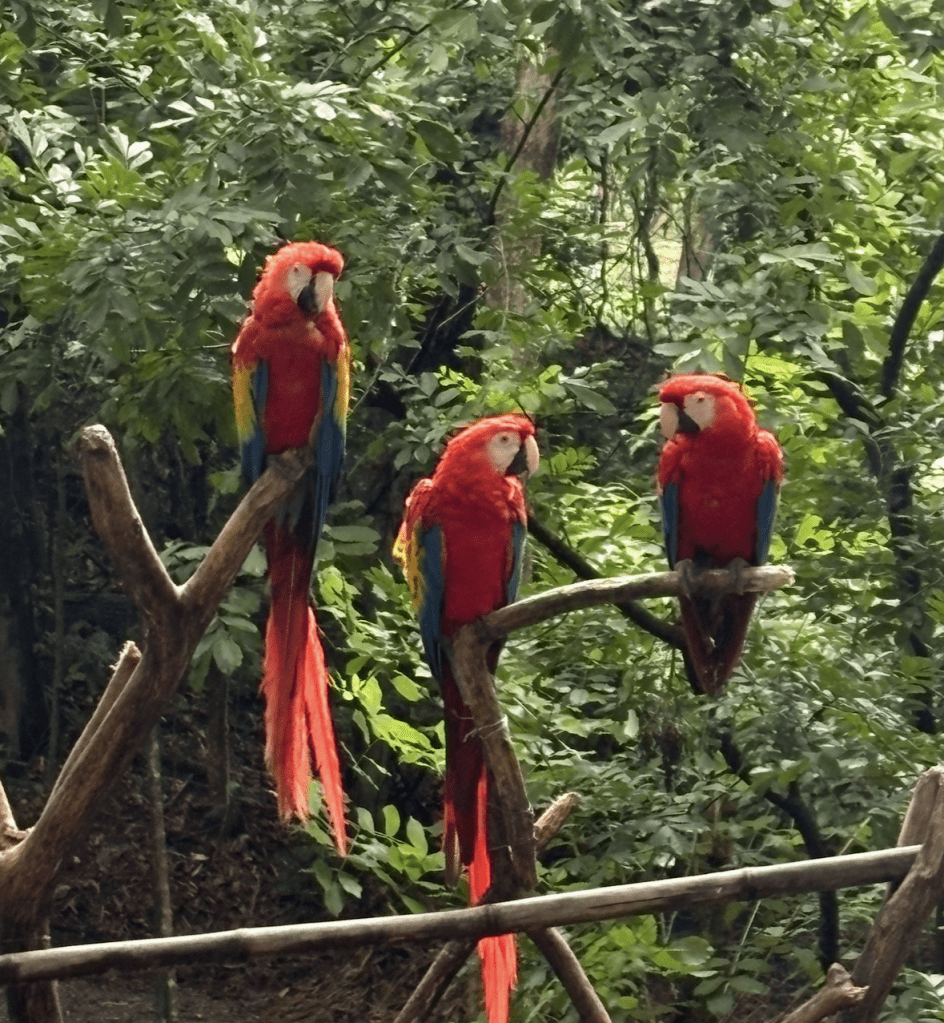
Three Scarlet Macaws at an eco-park in Honduras. These birds can freely roam the open forest.
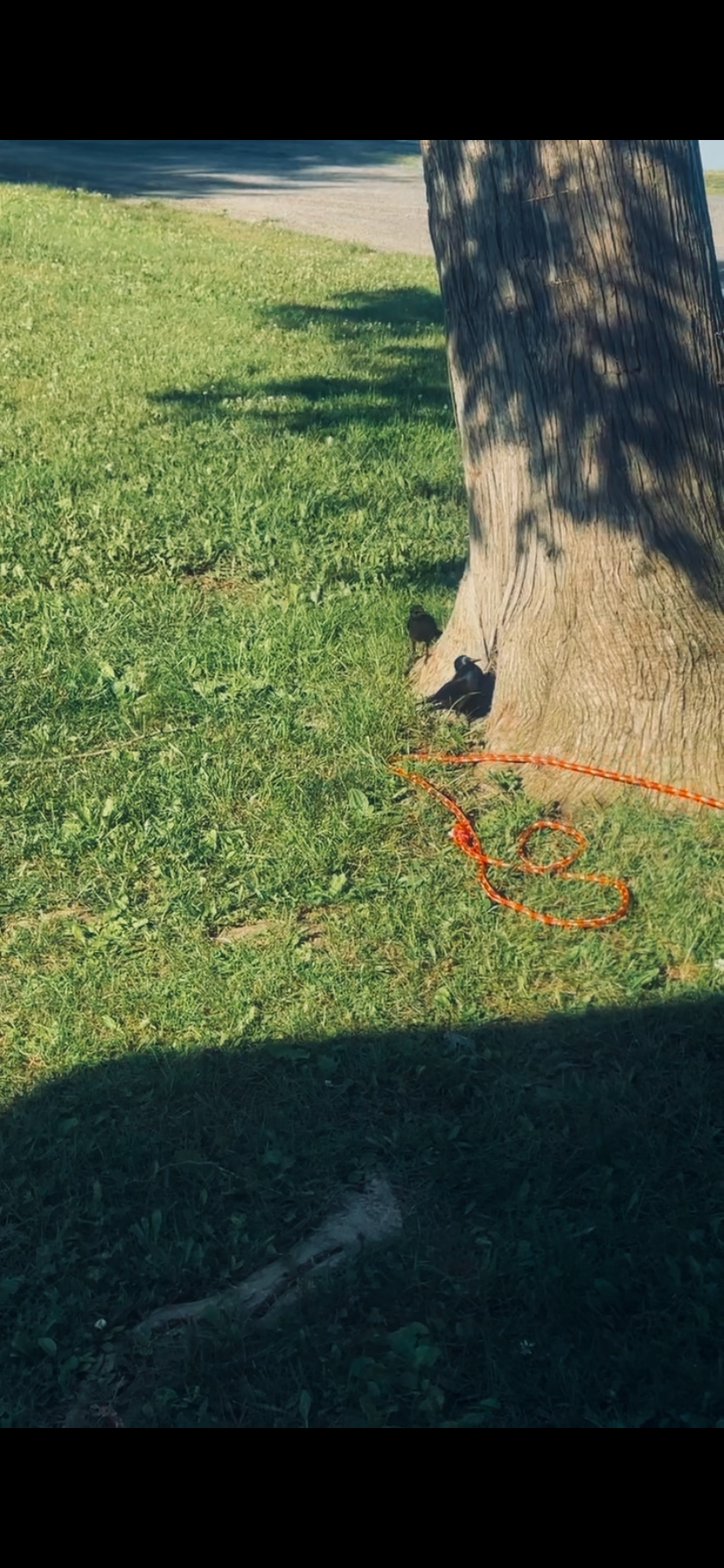
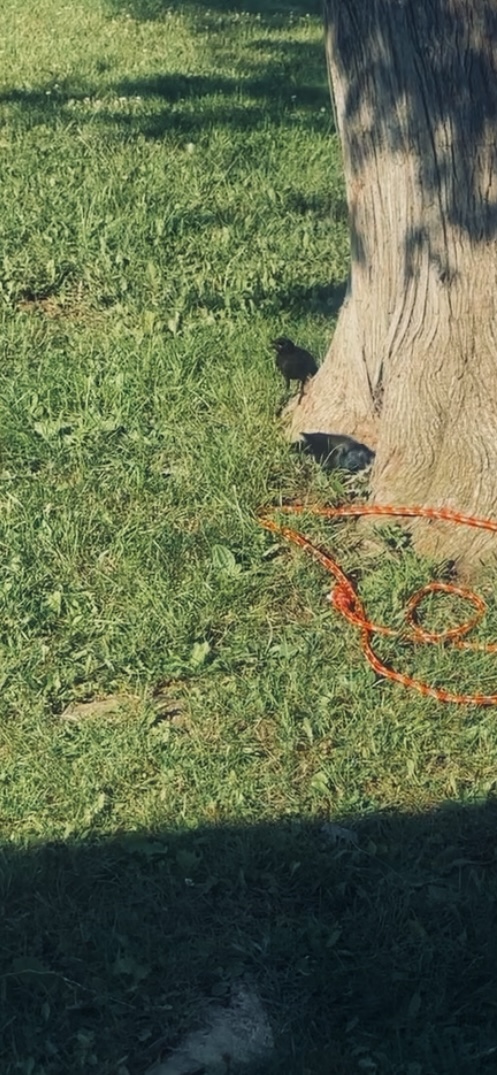
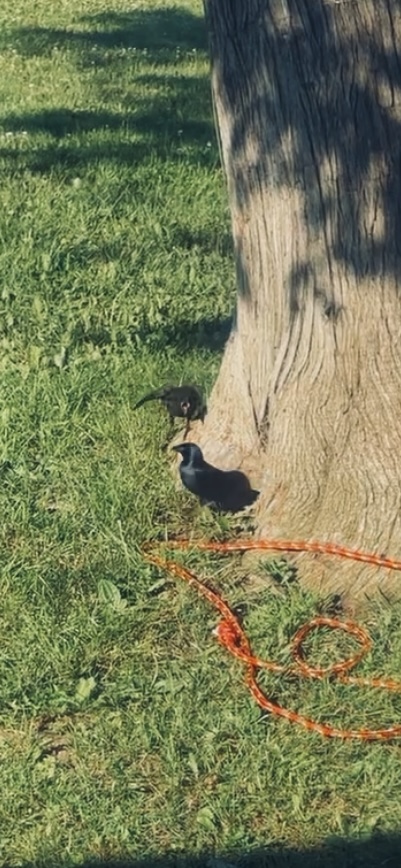
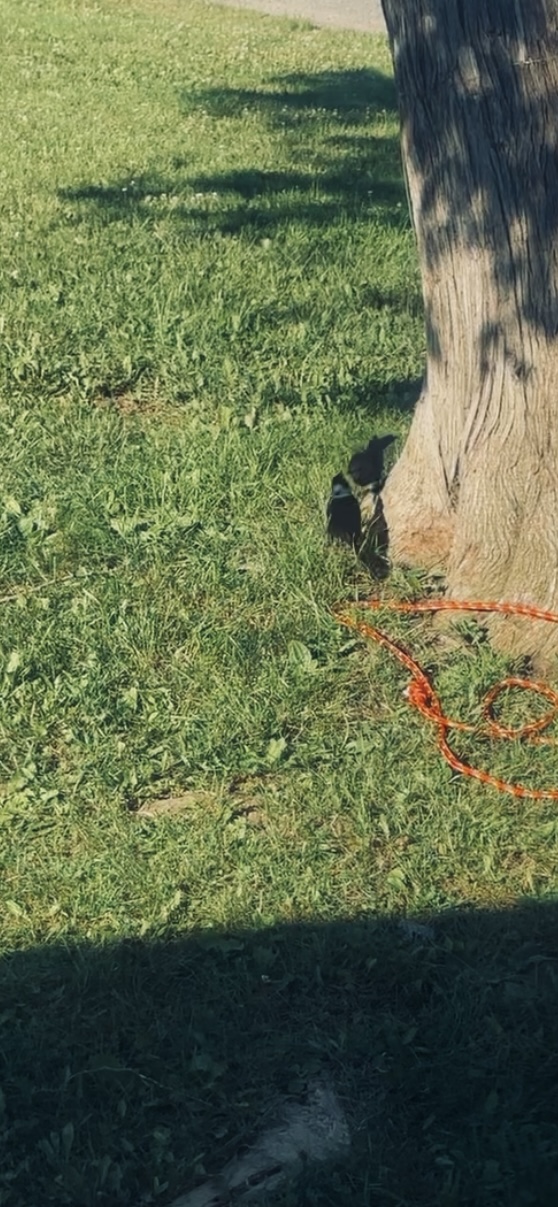
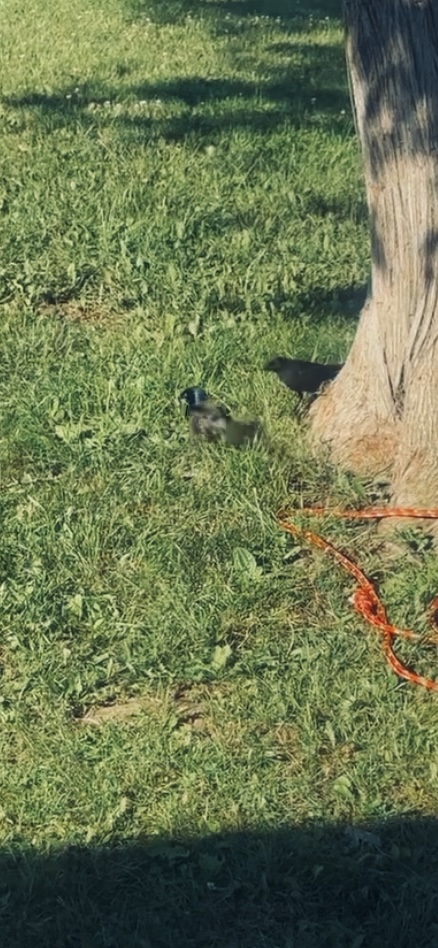
Not all tropical birds seem as otherworldly as the Scarlet Macaw. Another bird that is easy to spot in the tropics is the great-tailed grackle. The males look similar to the common grackle seen in the United States and Canada with the exception being that the tropical counterparts are much larger. (This in itself is fascinating as animal species tend to be smaller when they live closer to the equator as opposed to away from it! Look up “Bergmann’s Rule if you would like a deep-dive.)


Male and female great-tailed grackles in Mexico.
So as the cold bears down upon many of us in the northern hemisphere, maybe the thoughts of these beautiful birds will keep you warm.
Sending you cozy thoughts. Until next time!
P.S. If you’re interested in learning more about bird migration, I recommend this interactive map from Audubon.org. The Indigo Bunting is a nice bird to start with since its winter and summer zones are easily distinguished on the map. I’m a fairly amateur birder, so I’m sure that others with more experience and knowledge will definitely enjoy the app as much as I did, if not more!
 Nicolette Harpford