Welcome to the most recent entry of my bird blog! I know that I haven’t posted in a while, but the great news is that’s because I have been spending time working on the third installment of the Emma Finch series. I won’t dwell too much on it, but let’s just say Emma will be off to somewhere new again!
In terms of my own bird watching, I’m definitely not as dedicated to it as Emma is, but there are some fun things I thought I would touch upon now that it’s summer and the weather has changed.
With the higher temperatures, it feels like it is impossible not to catch some ducklings in the park swimming after their mother, but did you know that these baby birds aren’t the only type of birds that need some parenting? Fledglings are birds that are no longer babies, but they’re not exactly mature enough to be called adults, and in some cases, they’re still reliant on their parents for guidance. One thing a lot of birds do is teach their children how to forage for food—I guess it’s similar to how we teach our own children how to go to the grocery store (just kidding!)
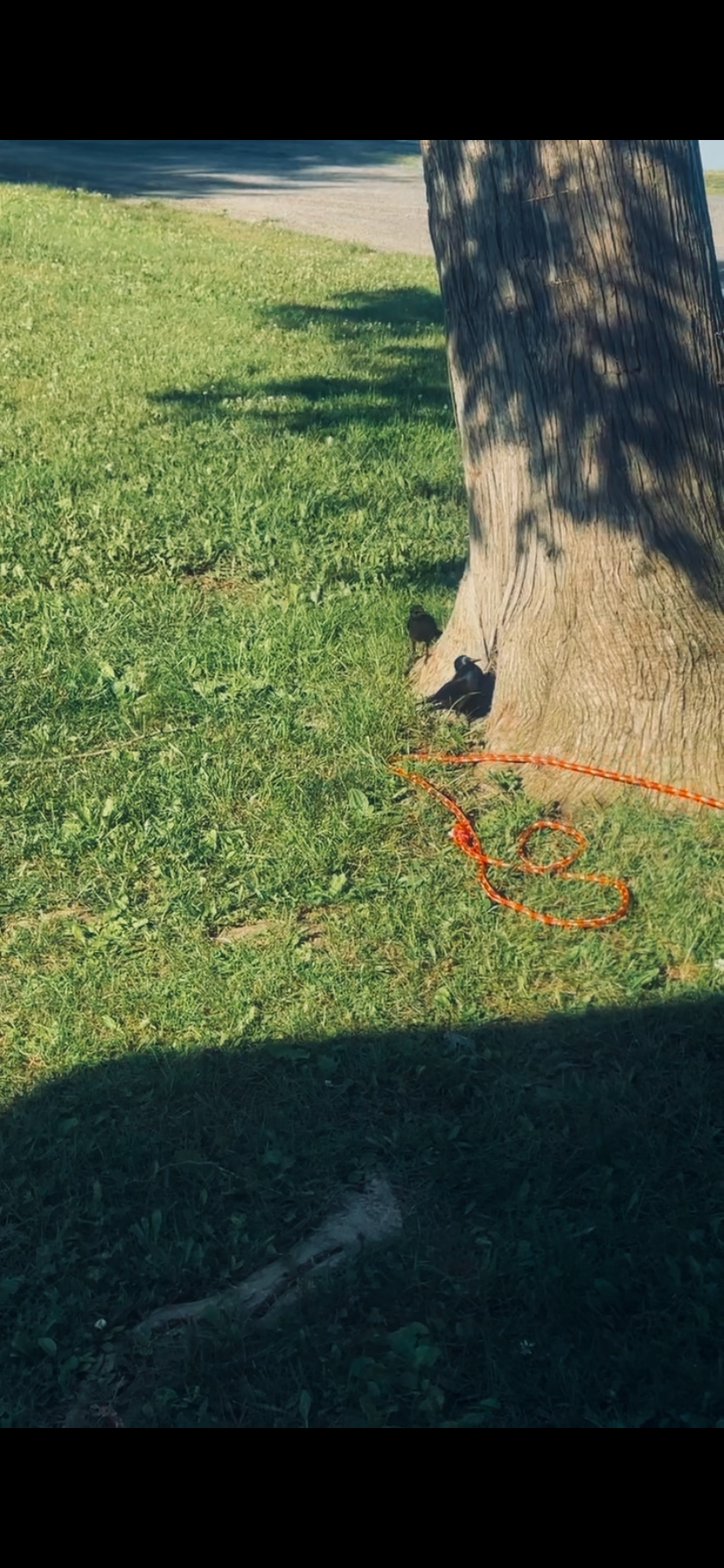
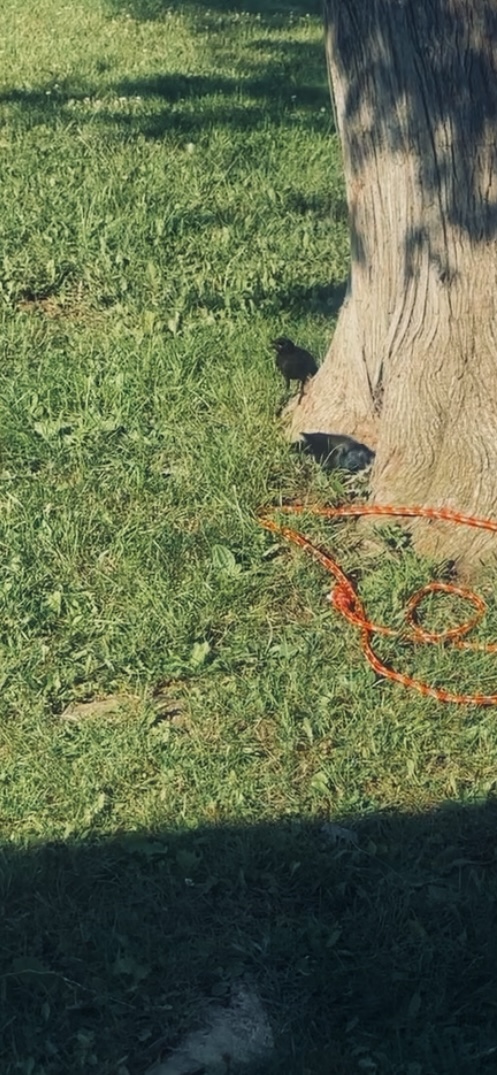
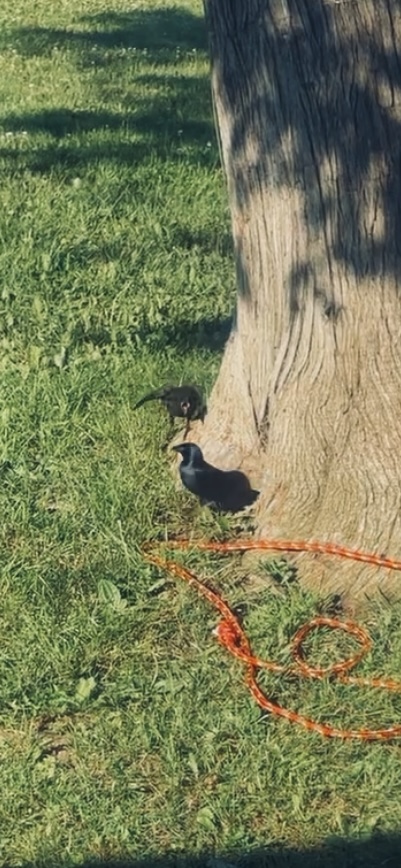
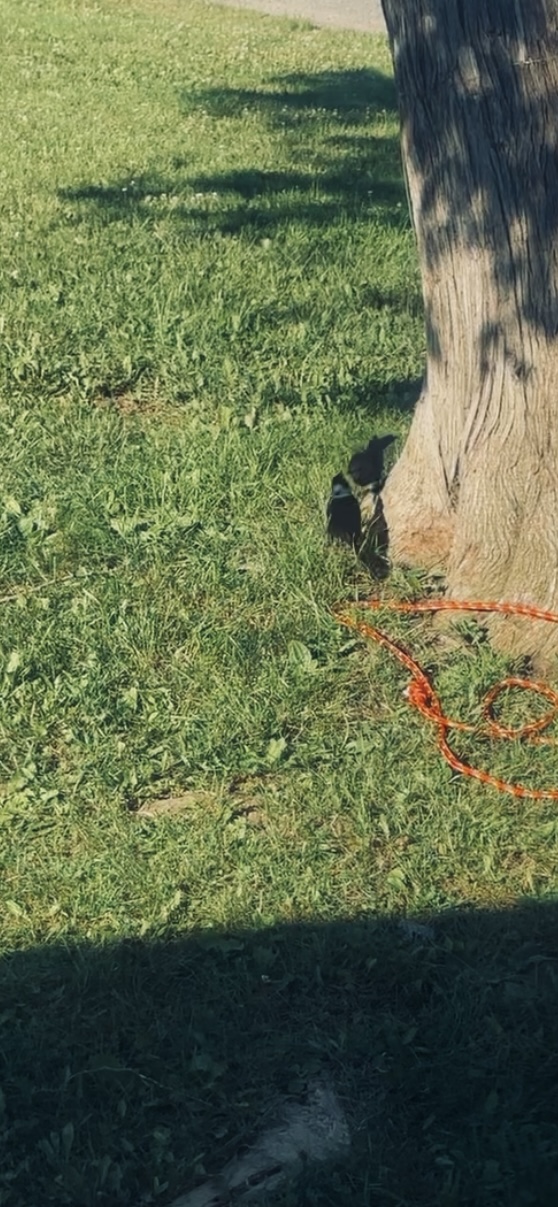
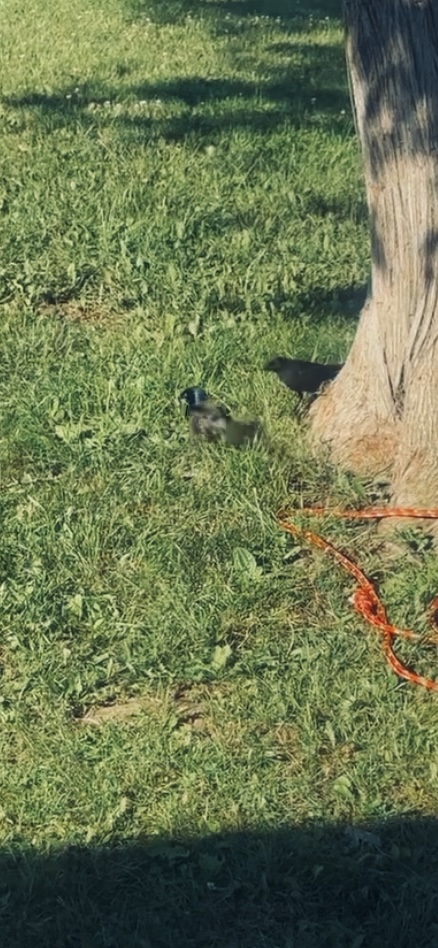
A few days ago, I had the pleasure of observing a parent grackle with their fledgling as they poked around and looked for their breakfast. In fact, the calls of the fledgling are what alerted me to the pair. Despite looking like a full-grown bird (minus the colorful markings and shine of the adult grackle), the fledgling cried just like a hatchling. It was funny to see a large bird chirping at its parent for food. By far, the most interesting part was when the parent grackle fed its baby just like they would’ve done if the two had still been in the nest.
Check out the freezeframes I was able to get from a video of that morning below! (The original video was giving me some issues, so I decided the slideshow below would work. It allowed me to emphasize the shot of the baby opening it’s mouth as well. One of the tell-tale signs that you are watching a fledgling and not an adult bird is that fledglings usually have wide mouths similar to baby birds. The image below is a nice example of this).

 Nicolette Harpford